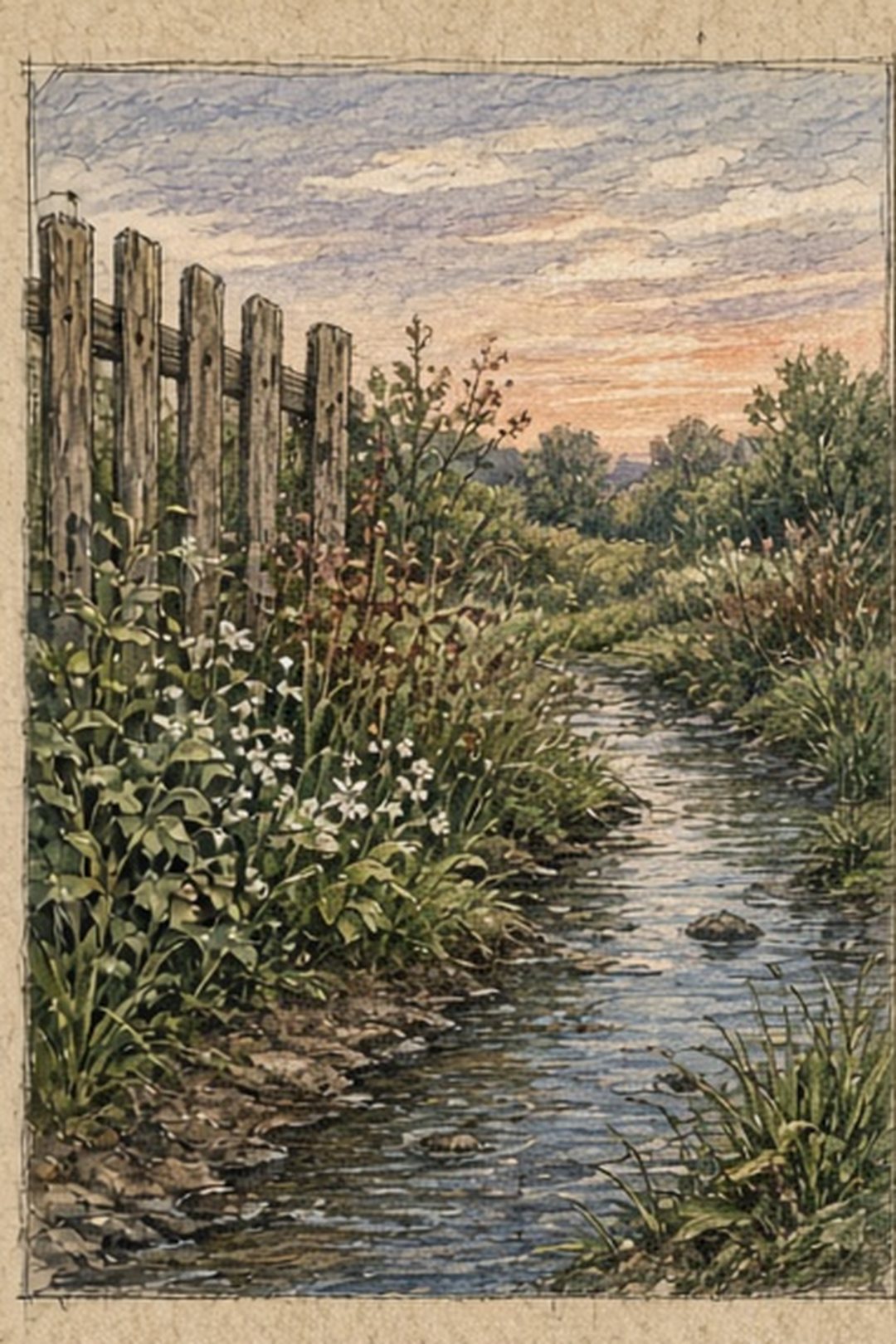
Colored-pencil field folio · home edges and shared habitat
Observation starts at the edge
A trace is a clue, not a verdict.
Wild Neighbor slows the interval between spotting a track, call, scattered seed, open compost bin, or animal at the habitat edge—and deciding what it means.
Shared ground is shaped by what animals need, what households make available, and how much room a response leaves.
The idea behind the name
Common Ground Wildlife holds the question in the middle.
The name frames coexistence as a practice of attention. A yard can be shelter, a shortcut, a feeding opportunity, a nesting edge, or simply part of a longer route. Wild Neighbor turns that ambiguity into a useful sequence: separate the sign you observed from the story you inferred, look at context, protect a clear boundary, and select the least intrusive response that fits.
Transect 01 · evidence before inference
Read across shape, time, and habitat.
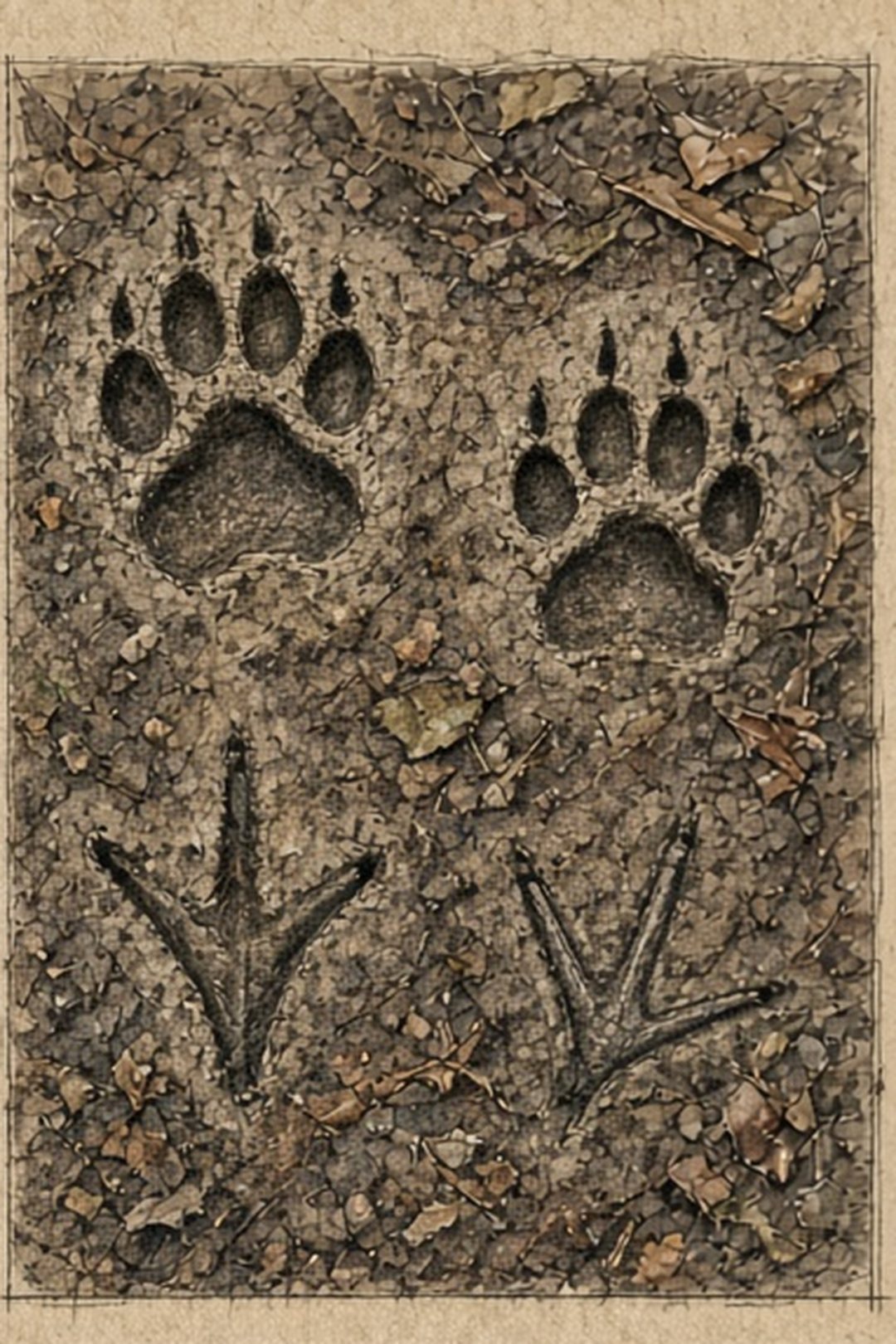
AShapeEdges · spacing · direction
Compare more than one feature.
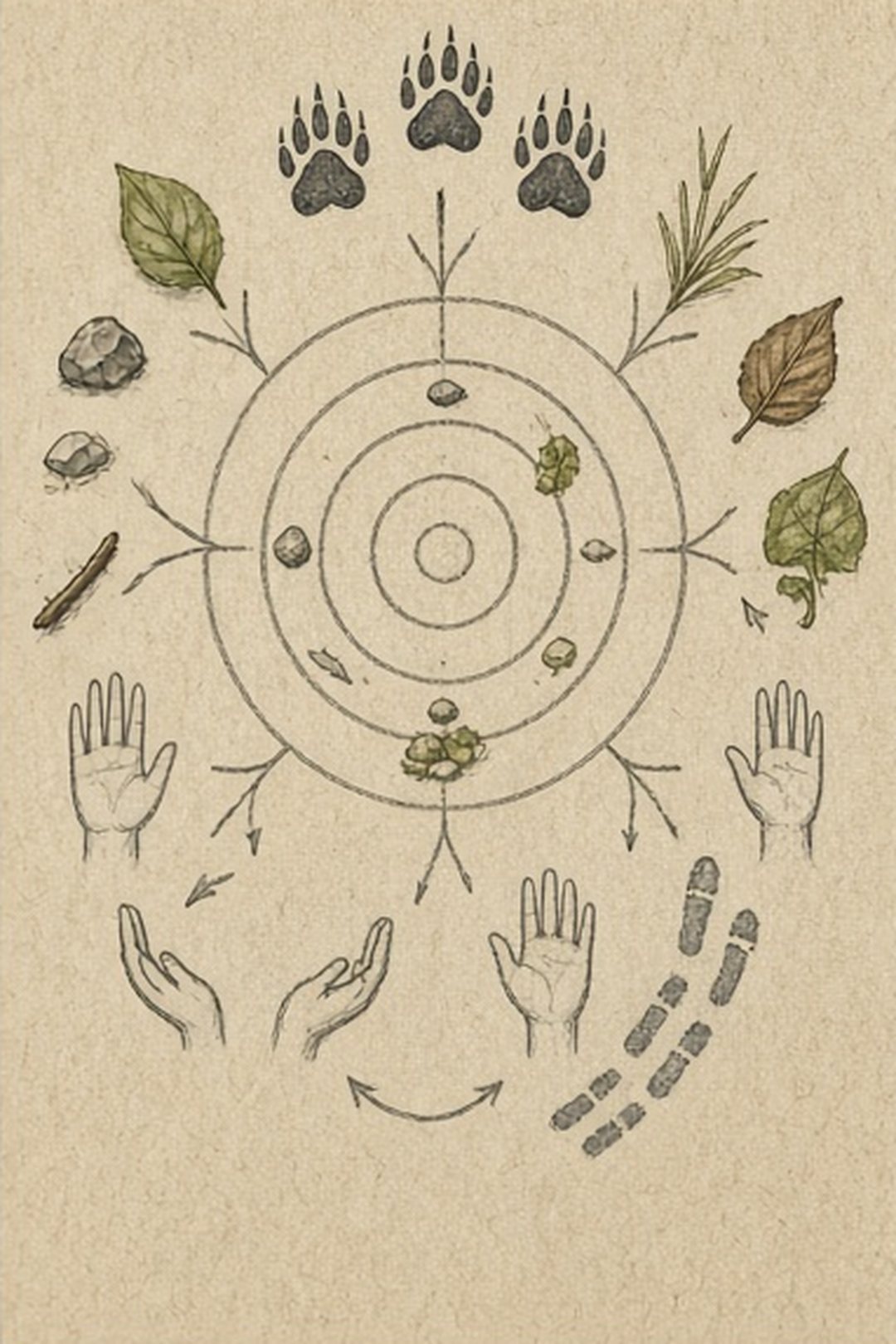
A single mark can be compressed, overlapped, or altered by rain. Look for repeated spacing, toe arrangement, direction, substrate, and whether several clues agree before naming a visitor.
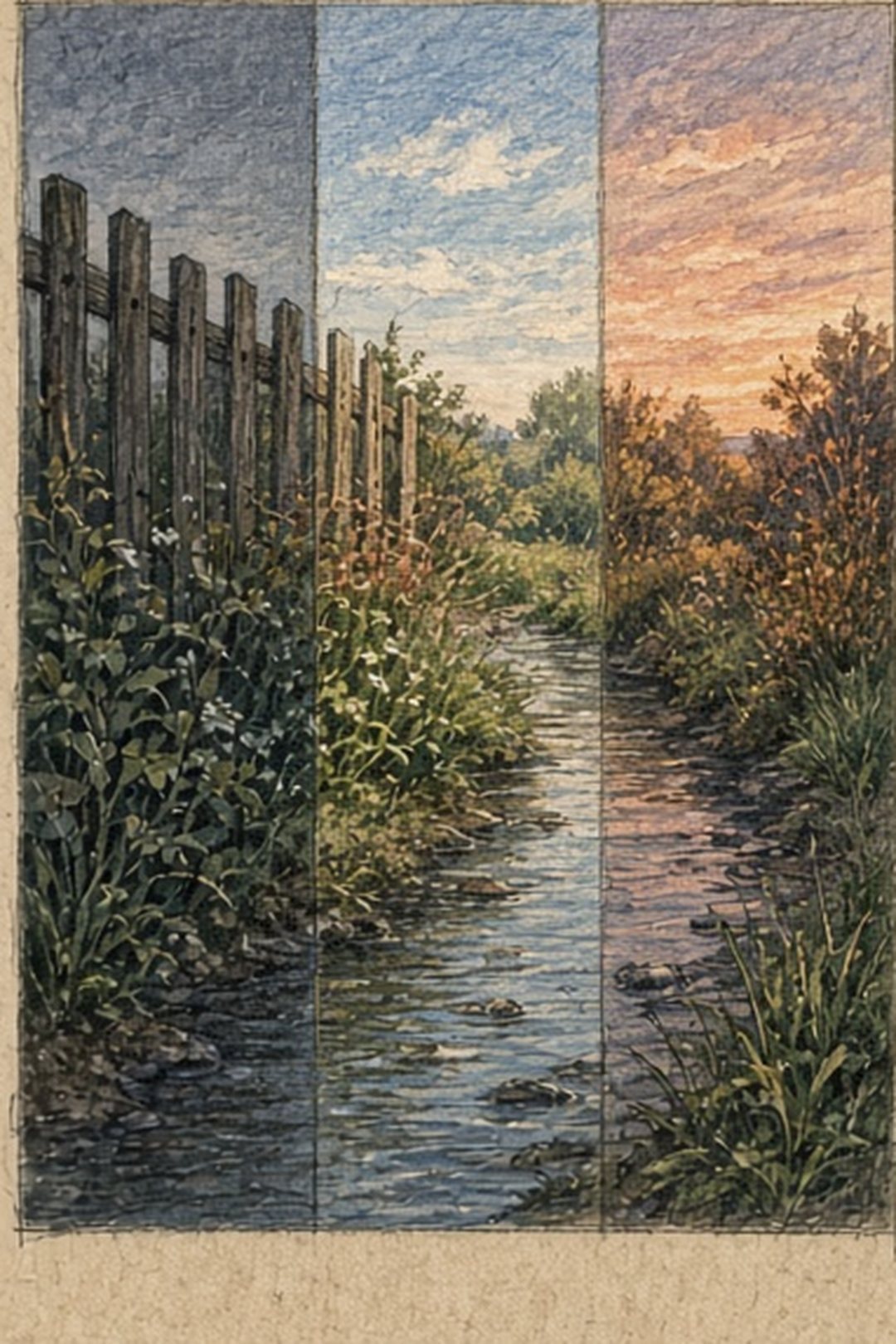
BLightFreshness · shadow · rhythm
Time changes the reading.
Dew, sharp edges, windblown litter, shade, and recurring calls can suggest timing without proving an exact hour. Record uncertainty as part of the observation instead of smoothing it away.
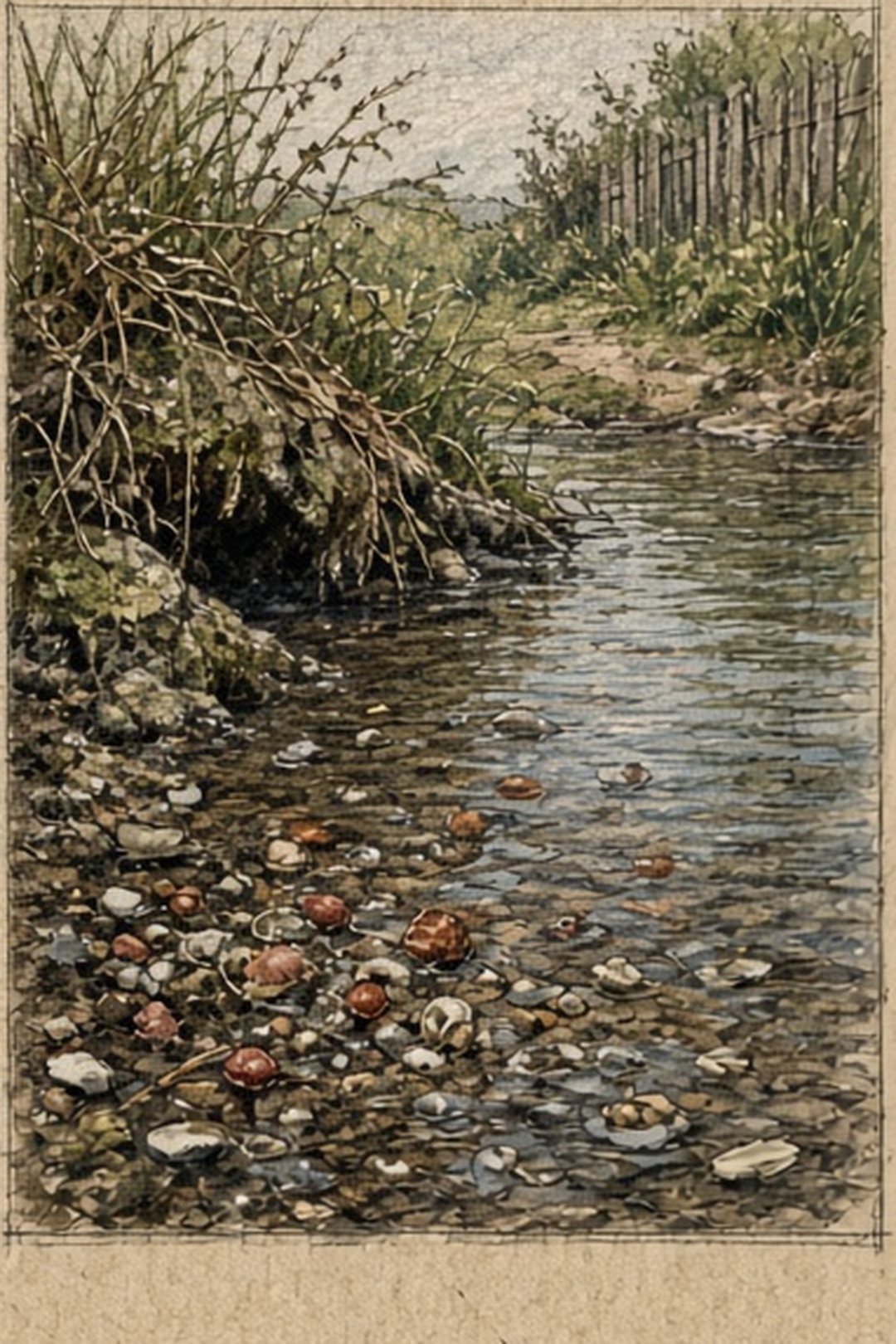
CContextWater · shelter · food · people
Ask what the place is offering.
A gap under a deck, unsecured bin, feeder spill, standing water, dense shrub, pet route, or construction change may explain more than the animal’s presence alone. Context points toward prevention that does not require confrontation.
Reasoning bench · four lenses
Turn the plate. Change the question.
Select a plate to change the bench note. The choice lasts only while this page remains open.
Transect 02 · household edges
Prevention begins with an inventory.
Small, repeatable changes often matter more than a dramatic encounter. The field plates below move from attractants to boundaries and seasonal context.
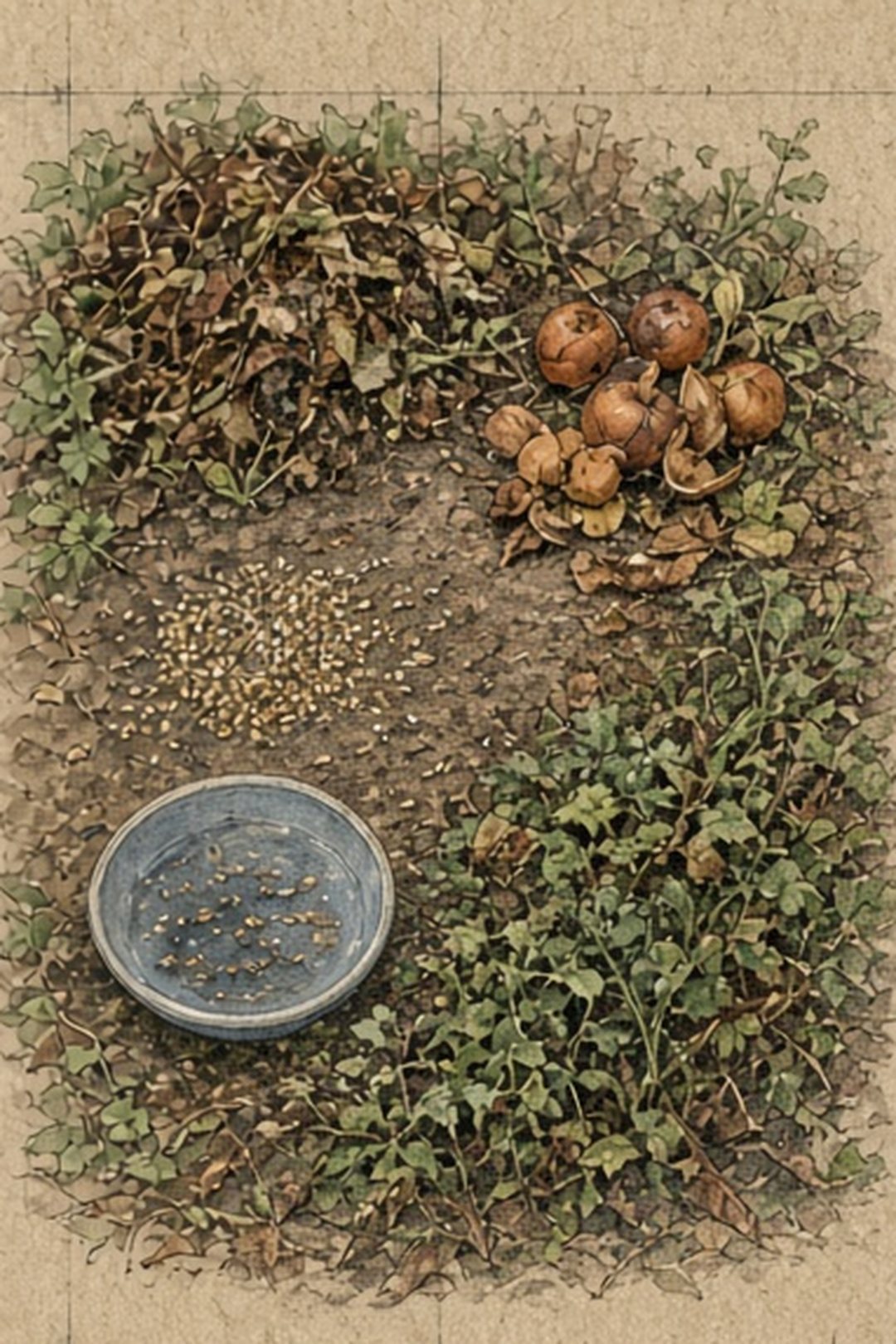
09
Inventory the invitation
Check fallen fruit, seed spill, open compost, accessible water, crawl spaces, dense cover, and easy routes before assuming an animal has become unusually bold.
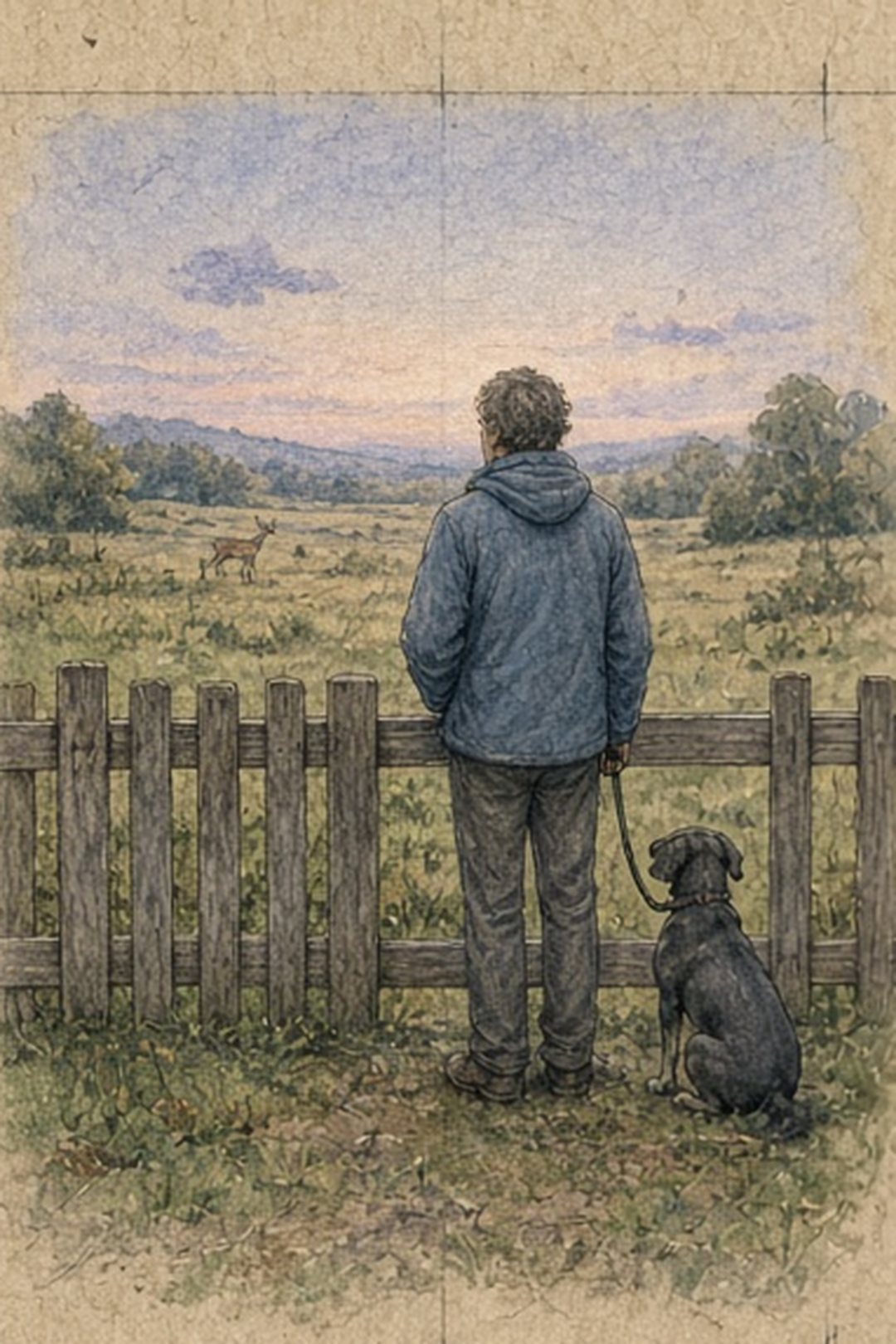
10
Make the pet boundary legible
Supervision, leashes, solid barriers, and removing food outdoors can reduce surprise for both pets and wildlife.
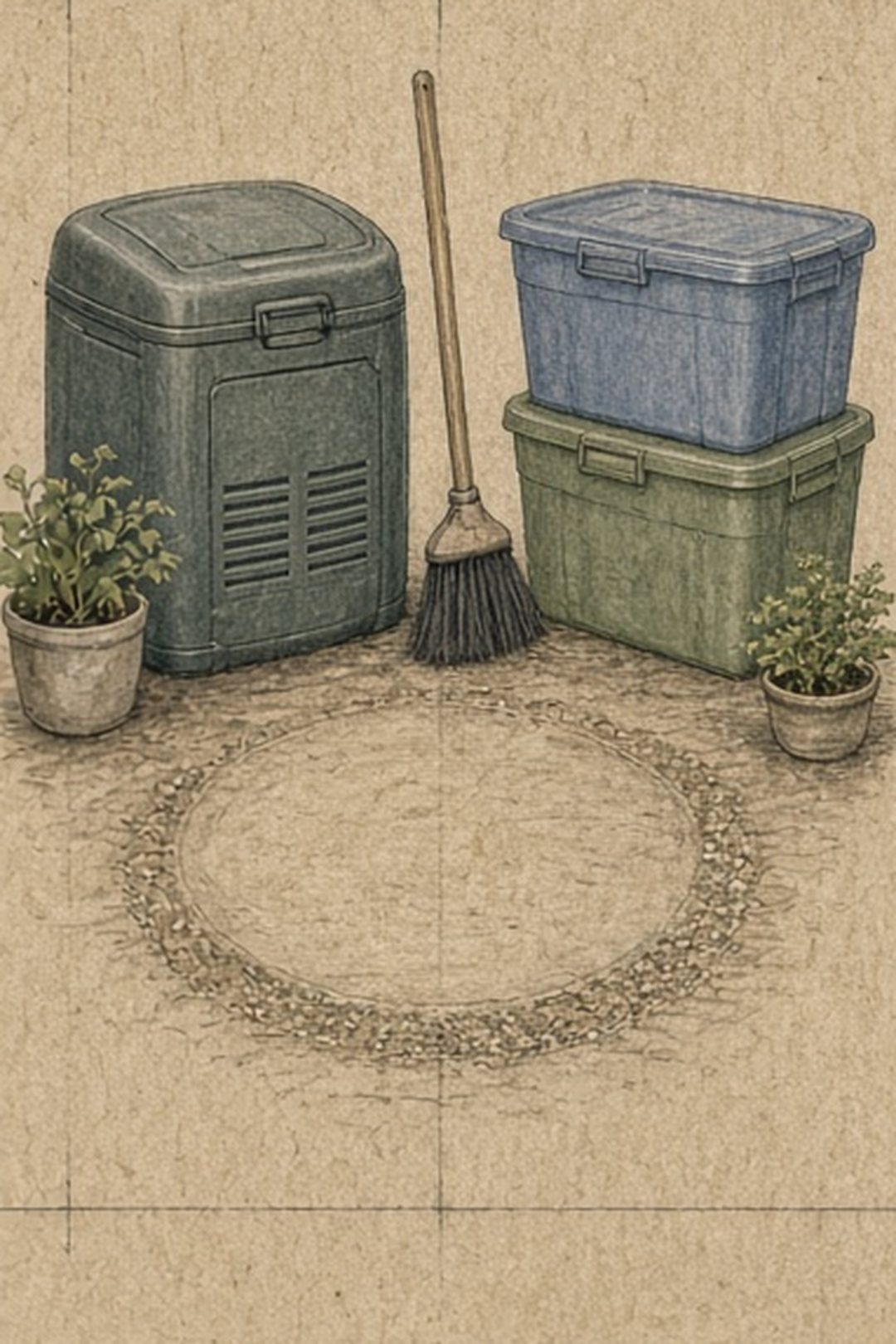
11
Change the repeatable cue
Secure bins, adjust compost practice, clean feeder spill, collect fallen fruit, and avoid leaving pet food where it can reward a return route.
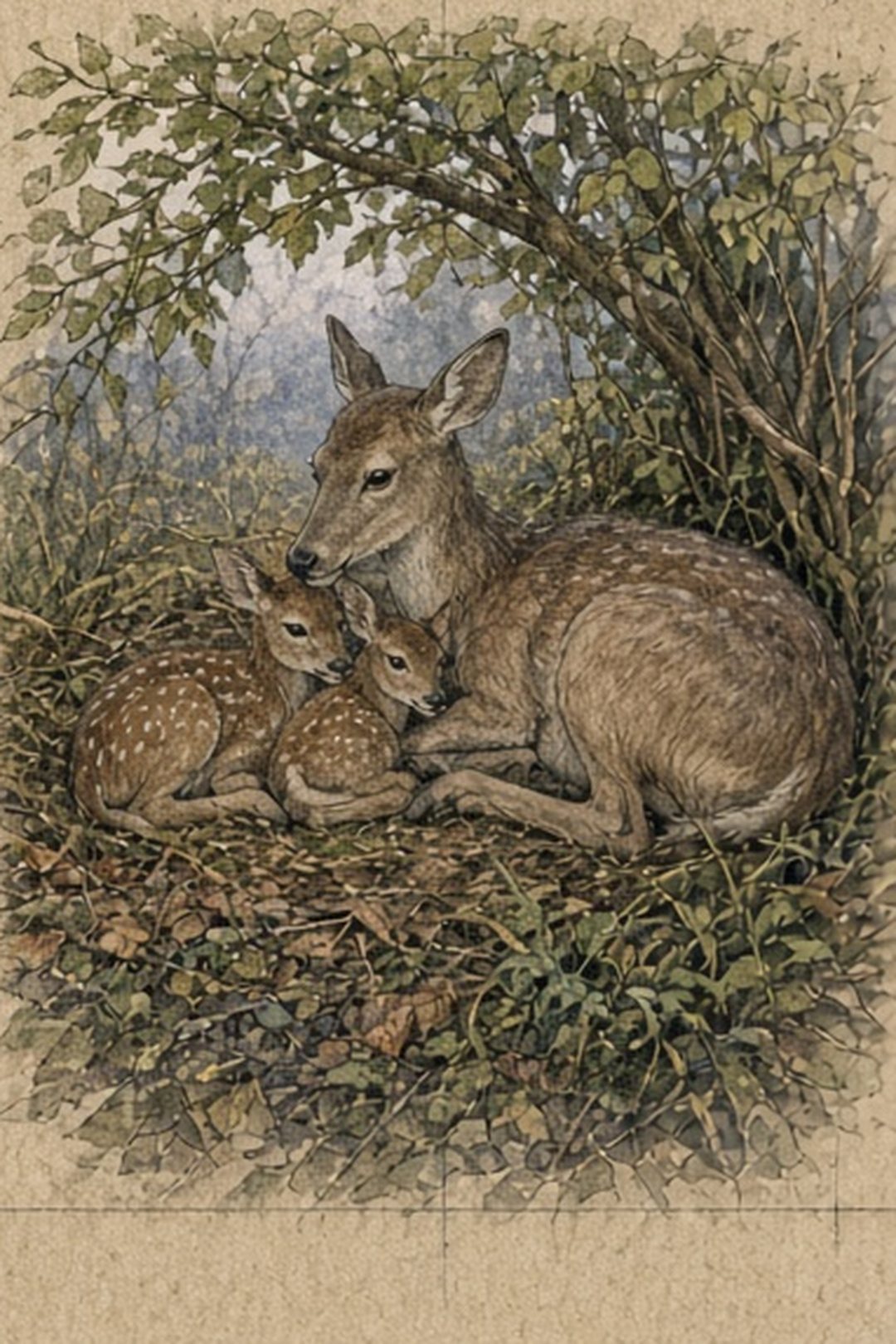
12
Let season adjust the distance
Nesting, denning, fledging, and dispersal change what adults and young may do. More distance and less disturbance are often the useful first response.
Transect 03 · proportionate response
Leave the animal an exit—and your conclusion one too.
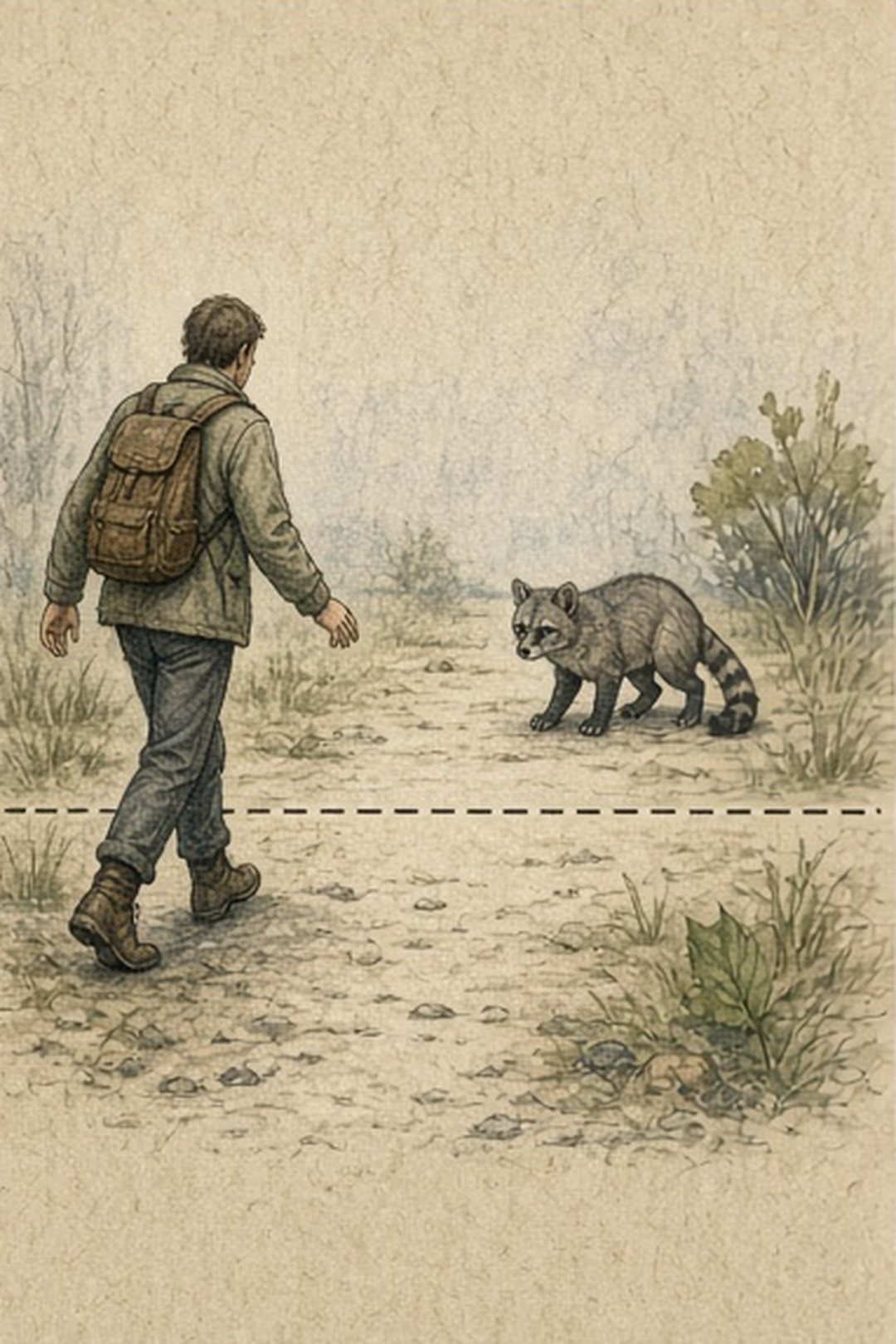
Read posture in context. One frozen frame cannot explain the whole encounter.Increase room before intensity. Do not surround, pursue, feed, or block a clear route away.Match the action to the evidence. Observe, prevent, give space, or find current local help when needed.